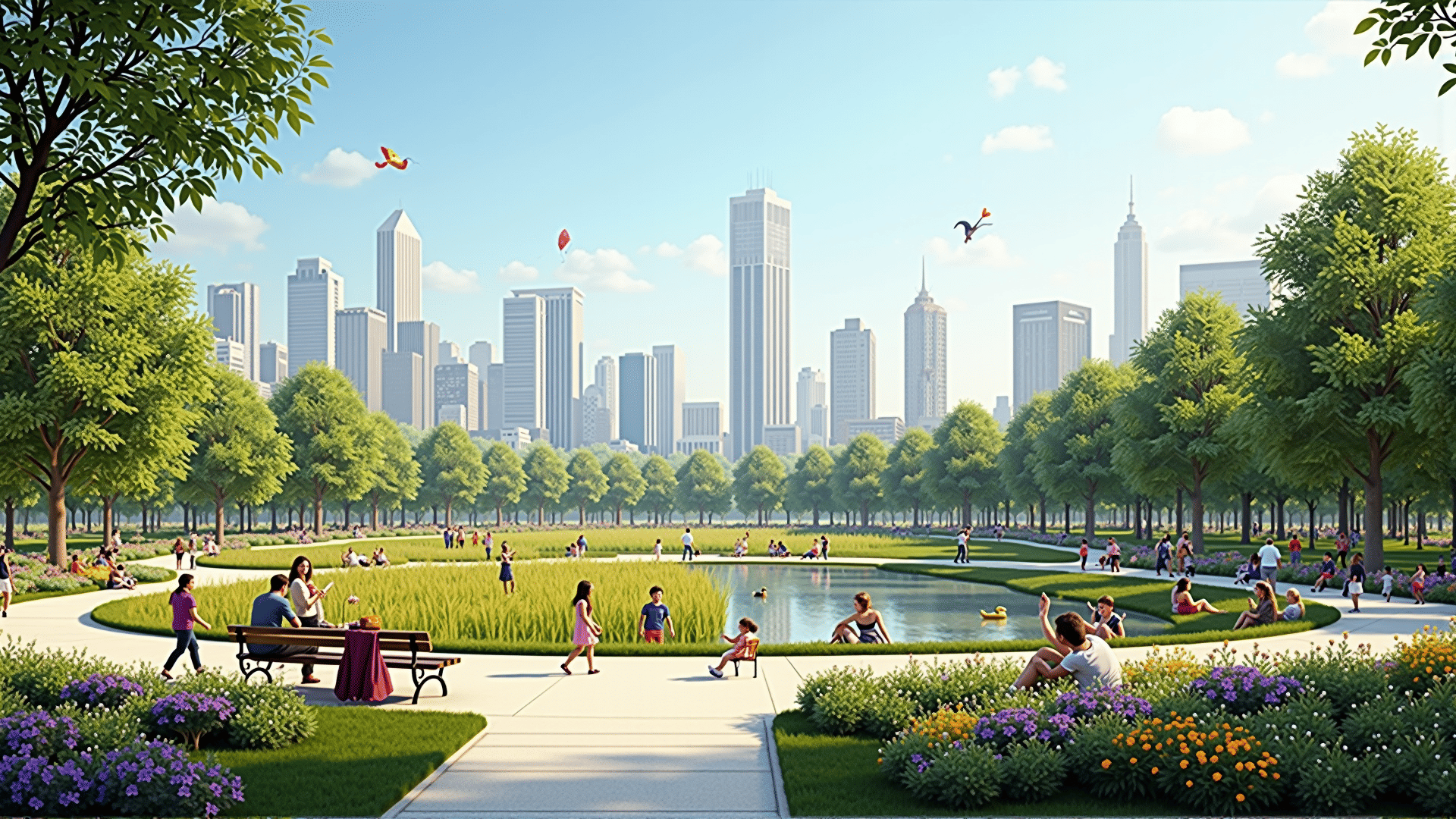
In recent years, urban environments across the globe have experienced a transformative shift towards the integration of green spaces. These developments in city planning and architecture are responding to a growing recognition of the critical role nature plays in enhancing the quality of urban living. From vertical gardens in towering skyscrapers to sprawling parks in the heart of bustling metropolises, cities are increasingly prioritizing green spaces—and with good reason.
The benefits of urban green spaces are manifold. First and foremost, they serve as crucial sanctuaries for biodiversity in densely populated areas. Urban regions have historically been characterized by a lack of natural habitats for wildlife. The introduction of green spaces, however, provides vital refuges for various species of birds, insects, and small mammals, contributing to a richer biodiversity within city bounds. This resurgence of biodiversity is vital for maintaining ecological balance and supports the health of urban ecosystems.
Beyond their ecological importance, green spaces significantly enhance the living conditions for urban residents. They offer a respite from the concrete jungle, providing areas for recreation, relaxation, and community interaction. Research consistently demonstrates that exposure to green environments lowers stress levels, improves mental well-being, and encourages physical activity. Parks and gardens become natural venues for social engagement, bringing together people from diverse backgrounds and fostering a sense of community and belonging.
Incorporating greenery into urban landscapes also contributes to improving air quality. Plants act as natural air filters, absorbing pollutants and releasing oxygen, which can significantly mitigate the effects of city pollution. This is particularly critical in cities prone to smog and poor air quality, where green spaces can help counteract harmful emissions and promote healthier urban atmospheres.
Moreover, urban green spaces address climate change concerns by playing a role in temperature regulation. Trees and other vegetation provide shade and cool down urban heat islands—a common phenomenon where cities experience significantly higher temperatures than their rural surroundings due to human activities and structures emitting heat. By absorbing solar radiation and releasing water vapor through a process known as evapotranspiration, plants help lower surface and air temperatures, making cities more comfortable places to live, especially during heatwaves.
City planners and architects are increasingly innovative in their approaches to urban greening. The rise of vertical gardens or “green walls” exemplifies this trend, transforming blank walls into vibrant ecosystems, both aesthetically pleasing and biodiversity-friendly. Rooftop gardens are gaining popularity, making use of otherwise wasted space to create green oases that can also provide local residents with fruits and vegetables.
In Europe, cities like Amsterdam and Copenhagen lead the charge with extensive bike networks and green infrastructure that seamlessly integrate nature into urban planning. Singapore is often touted as a model green city, with its Gardens by the Bay and tree-lined streets. These cities demonstrate that thoughtful, sustainable urban design can harmonize the needs of human populations with the imperatives of nature conservation.
As urban populations continue to grow, the demand for sustainable and livable cities will increase. Green spaces emerge as vital components in this vision, bolstering the resilience and beauty of urban life. By promoting biodiversity, enhancing health and well-being, and contributing to climate mitigation efforts, urban green spaces are not merely a trend, but a necessary evolution in creating sustainable cities for future generations.