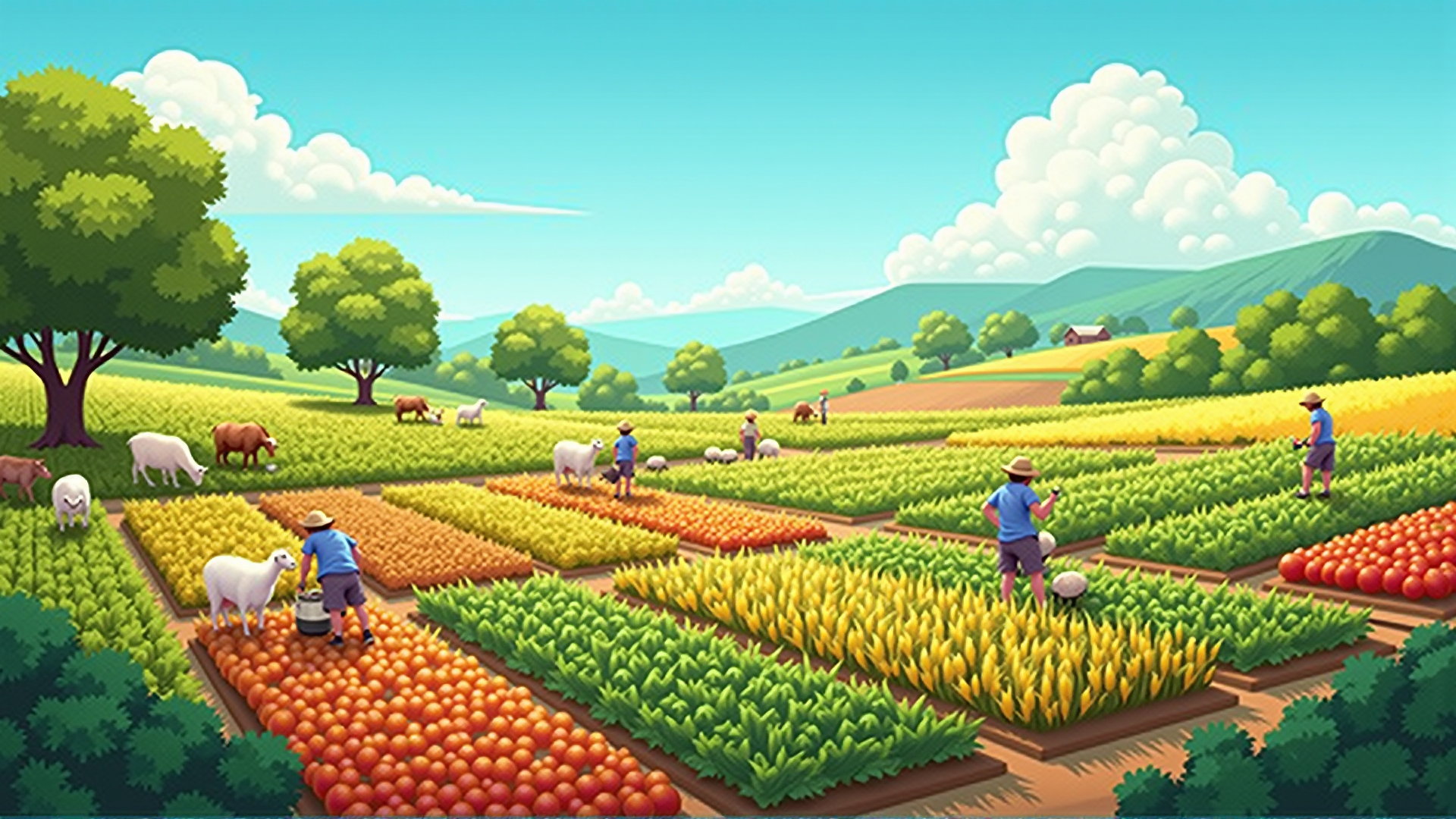
In recent years, the increasing demand for food driven by a growing global population has accentuated the need for sustainable agriculture. This necessity steers us toward innovative farming practices that guarantee food security while also striving to minimize environmental impact. By integrating traditional knowledge with modern technologies, sustainable agriculture presents a promising path to meet contemporary challenges in agriculture.
At the core of sustainable agriculture is the commitment to preserving the integrity of natural resources. This includes emphasizing soil health, a crucial factor for successful crop production. Techniques such as crop rotation, cover cropping, and reduced tillage work synergistically to maintain and improve soil structure, increase organic matter, and enhance nutrient cycling. These practices not only help in conserving the soil but also make fields more resilient to climate change-related impacts such as drought and flooding.
Another cornerstone of sustainable farming is the responsible use of water. With water scarcity becoming an increasingly pressing issue globally, efficient irrigation methods like drip and precision irrigation are being adopted. These systems deliver water directly to the plant roots, thereby reducing water wastage and ensuring optimal usage. Rainwater harvesting and contour farming are additional strategies that capture natural rainfall and prevent soil erosion, further conserving precious water resources.
Biodiversity, often overlooked in traditional agriculture, is recognized as a critical component in sustainable practices. By planting a variety of crops and integrating livestock, farmers can create a balanced ecosystem that supports beneficial insects and natural pollinators while naturally deterring pests. Techniques such as agroforestry, where trees are integrated into cropping systems, not only promote biodiversity but also improve soil fertility and provide shade and habitat for various species.
Sustainable agriculture also harnesses the potential of technology and innovation. Precision farming, utilizing GPS and remote sensing technologies, allows farmers to manage their fields with higher precision. This leads to more efficient use of inputs like fertilizers and pesticides, minimizing environmental pollution and reducing greenhouse gas emissions. Biotechnology and genetic research are fostering the development of crop varieties that are more resistant to pests, diseases, and climatic stressors, optimizing yield and ensuring crop security under adverse conditions.
Consumer awareness and demand for sustainably produced food are also driving change in agricultural practices. Farmers' markets, community-supported agriculture (CSA) programs, and certifications like organic and fair-trade labels have gained traction, providing consumers with choices that align with their values. This trend empowers consumers to support sustainable practices through their purchasing decisions, thereby fostering a market that prioritizes environmental health and equitable farming practices.
Moreover, government policies and international cooperation play pivotal roles in promoting sustainable agriculture. Incentives and subsidies for sustainable practices, coupled with investments in research and development, are critical to scaling solutions that are both economically viable and environmentally sound. Collaborative efforts among countries can facilitate the exchange of knowledge and technologies, especially beneficial for regions most vulnerable to climate change impacts.
In conclusion, sustainable agriculture offers a holistic approach to addressing the dual challenges of food security and environmental conservation. By embracing practices that optimize resource use, promote biodiversity, and leverage technology, the agricultural industry can transition towards a more resilient and sustainable future. As stewards of the land, farmers, researchers, policymakers, and consumers must collaboratively champion these practices to ensure the long-term vitality of both our planet and its inhabitants.